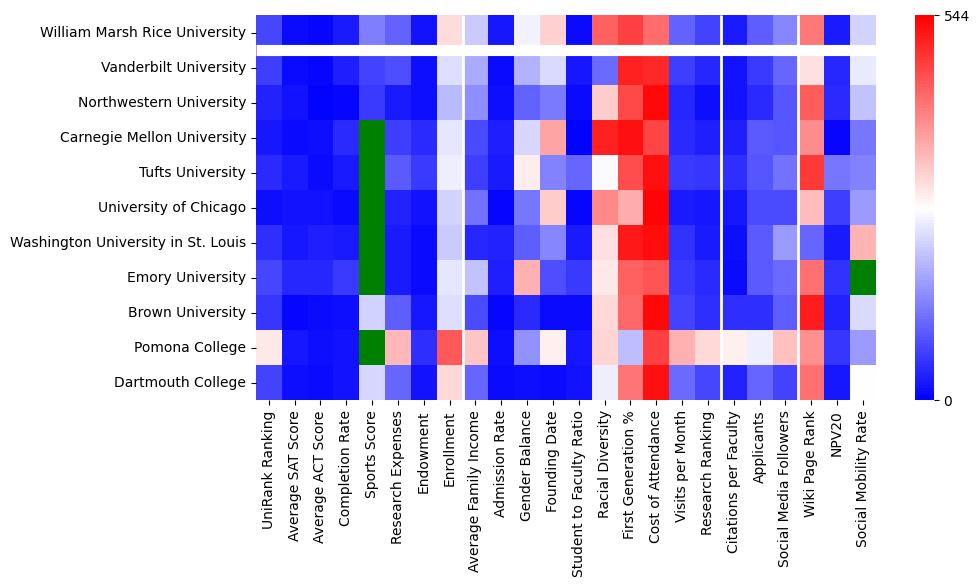
William Marsh Rice University, commonly known as Rice University, was established in 1912 in Houston, Texas, following the bequest of its namesake, a wealthy businessman and philanthropist. The university began as the William Marsh Rice Institute for the Advancement of Literature, Science, and Art, and it has grown into a prestigious private research institution. Its picturesque 300-acre campus is located adjacent to the Houston Museum District and the Texas Medical Center, providing a serene environment that is conducive to academic exploration and innovation.
Rice University distinguishes itself through a unique combination of academic rigor, a collaborative culture, and a commitment to fostering a diverse and inclusive community. The university is known for its small student-to-faculty ratio, which allows for personalized attention and supports an intimate learning environment. Rice also boasts a residential college system, which integrates students from all disciplines and fosters a strong sense of community and belonging. The university is a leader in fostering undergraduate research opportunities, encouraging students to engage directly with groundbreaking work across various fields.
Academically, Rice University is highly regarded, consistently ranking among the top 20 national universities in the United States. The university's strengths are particularly pronounced in the fields of engineering, business, and the sciences. The George R. Brown School of Engineering is renowned for its innovative research and strong industry partnerships, while the Jones Graduate School of Business is noted for its MBA program that emphasizes leadership and entrepreneurship. Additionally, the Wiess School of Natural Sciences is at the forefront of research in areas such as nanotechnology, space science, and bioengineering. The university's commitment to interdisciplinary study further enhances its academic offerings, providing students with a comprehensive and well-rounded education.
Despite its many strengths, Rice University is not without its challenges. One area of concern is the high cost of tuition, which, although mitigated by generous financial aid packages, can still be a barrier for some students. Additionally, while the university's moderate size is a benefit in terms of community feel, it can sometimes limit the variety of course offerings and extracurricular activities compared to larger institutions. Furthermore, Rice's location in Houston, while culturally vibrant, can present challenges in terms of traffic congestion and weather conditions, particularly the hot and humid summers. Nonetheless, the university remains committed to addressing these issues and continues to strive toward providing an exceptional educational experience.